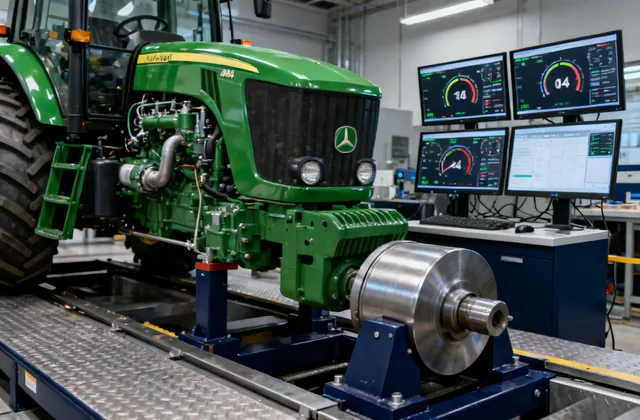
Power & PTO dyno bay
Engine power and PTO horsepower are logged under controlled load steps that approximate rotary tiller and chisel plow draft, not idle brochure peaks.

ABT-B research lab
We publish the laboratory and field methods that turn tractor brochure numbers into acceptance criteria growers can audit. Procurement managers, agronomists and dealer engineers should be able to cite the measurement path behind every engine power, hydraulic flow and working width recommendation.
NEW Holland does not treat certification badges as a substitute for field acceptance. ISO 9001, CE marking paths and GLOBALG.A.P. adjacent notes support process discipline, while dyno bays, hydraulic benches and instrumented plots supply the numbers that belong in an RFQ.
Method milestones stay on the calendar: the power and PTO dyno bay opened in 2018, the hydraulic fluid check protocol was standardized for seasonal fleets in 2021, and the instrumented field-plot program expanded spray drift control logging in 2024. Those dates let procurement teams ask which revision of the acceptance sheet they are reading.
Agricultural capital decisions deserve measurable specifications—engine power under load, hydraulic flow at remotes, working width against field geometry—not slogans that dissolve when an early dry planting window opens.
NEW Holland Specification Review Desk, 2024 briefing note
Lab facilities
Validation spans dyno bays, hydraulic benches and instrumented field plots so procurement teams can cite methods, not marketing adjectives.
Engine power and PTO horsepower are logged under controlled load steps that approximate rotary tiller and chisel plow draft, not idle brochure peaks.
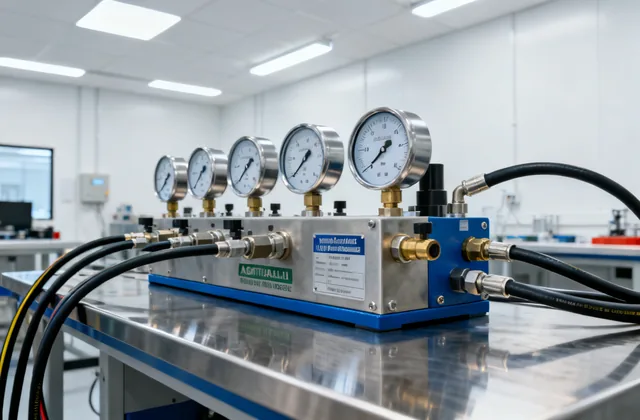
Open-center and closed-center packages are pressure-tested at remote valves so loader cycle times and implement response can be compared honestly.
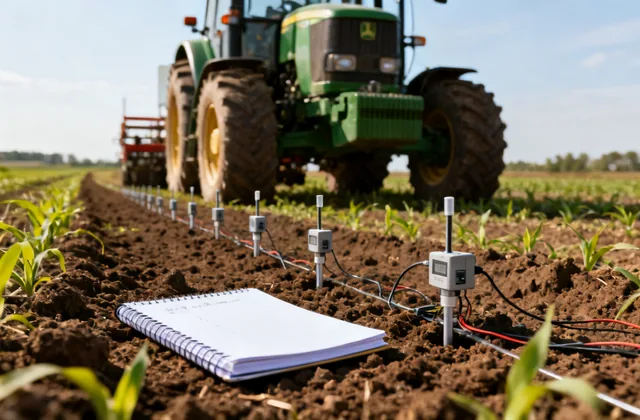
Working width, fuel use and spray drift control patterns are recorded on instrumented plots before selection tables are published for dealers.
Publications & downloads
Method notes for matching tiller width and soil resistance to tractor class without oversizing the engine budget.
Sight-glass, temperature and filter interval guidance used when fleets move from winter idle into planting weeks.
Throughput, spray drift control and terrain constraints summarized for agronomists comparing crop protection methods.
Targets near 14% moisture and dryer queue cues that affect tractor and grain handling scheduling.
Bring your crop mix, acres and shortlist of tractor classes. We return the measurement methods and acceptance criteria that belong in your RFQ.